What Happens When You Win a Prize Competition?

You'll be contacted using the details on your entry, usually by email or phone, and you'll have a deadline to reply. Before anything is released you'll be asked to prove who you are. Nobody legitimate will ever ask you for money. Not at any point, and not for any reason.
By Joanne Jones · Last reviewed 25 September 2026
We're a competition operator, so treat the process below as what should happen, and hold any site to it, including us.
The moment you're most at risk
Winning makes you a target. Scammers watch public winner announcements, then message the winner claiming to be the operator, asking for a delivery charge or an admin fee before the prize can be sent. It works because the win is real, so the message feels plausible.
The rule that protects you is short. Money only ever travels one way, from you to the operator when you buy a ticket. If anyone asks you to pay to receive a prize, that is a scam, whatever they call the payment. How to spot a fake competition covers the rest of the pattern. If it happens to you, report it to Report Fraud on 0300 123 2040, or Police Scotland on 101 in Scotland.
How you get contacted
By the details you entered with. Email and phone usually. Sometimes a social media message, if that's how you entered.
Operators publish their own timescales, and they vary more than you'd think. The fastest promise contact within 30 minutes of a live draw ending, and within 24 hours for an instant win. Others give themselves five working days.
So a dead email address costs people prizes. So does an old mobile number. If you enter regularly, check the details on your account are ones you actually use. The same goes for a postal entry, where your handwriting is the only contact detail the operator has, which the postal guide covers.
The claim window
Most operators set a deadline for you to respond. Miss it and the prize can be redrawn, and the second winner keeps it. That is the most common way people lose a prize they genuinely won.
The window is set by the operator, not by law, and it's shorter than most people assume. We read five sets of UK operator terms in September 2026. Three forfeit the prize if they can't reach you within 5 days of the draw. One allows 14. None gave a month.
A redraw is not an operator wriggling out of anything, because a prize can't sit unclaimed forever and the terms have to say what happens to it. What matters is that the window is stated and applied consistently.
Identity checks
Expect them. Expect them to feel intrusive, too, because on the receiving end they do.
An operator has to know the person claiming is the person who entered, and that they're over 18. Proof of name, address and age is normal. So is confirming your account details, or the skill question you answered.
What is not normal: a payment of any kind, your full bank card number, or your online banking login. A bank transfer to receive a cash prize needs your account number and sort code, which is what anyone paying you needs. Nothing more.
Getting the prize
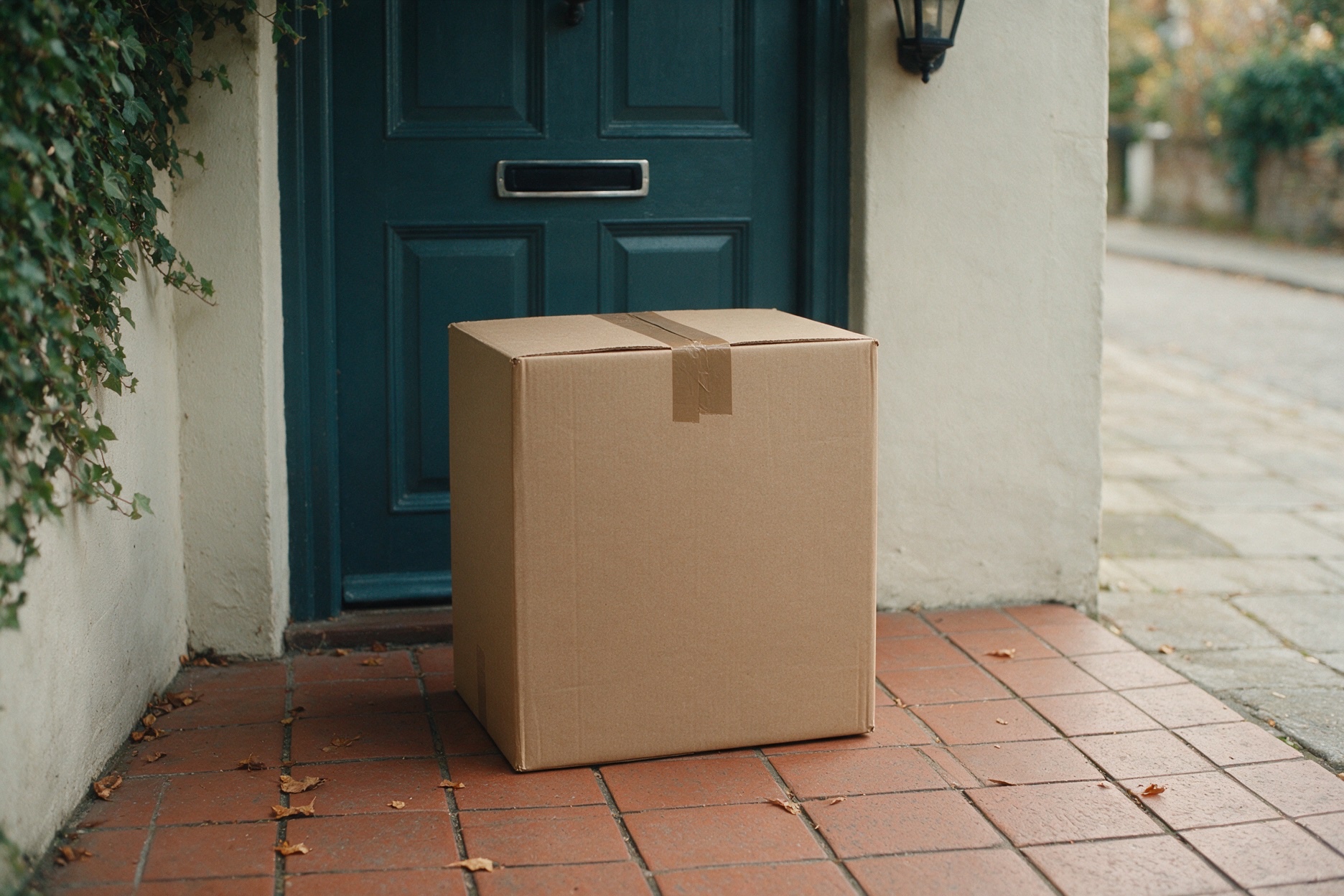
Physical prizes are posted or couriered, and the operator pays the postage. Vehicles and high-value items are usually collected, or delivered by arrangement with paperwork to sign, which is where the weeks go.
Cash goes by bank transfer. Cash alternatives, where you take money instead of the item, are almost always lower than the advertised value of the prize, because that value is a retail price, not what the operator paid. The glossary has the full list of terms you'll meet.
Tax is not part of this. UK competition prizes are not taxed, though interest on cash winnings above your £1,000 savings allowance is, and the tax post has the rest.
Publicity: what they can ask
Under the CAP Code, promoters have to publish or make available the surname and county of major prizewinners, so people can see the prize really went to someone. That's a rule in your favour, since it's how anyone checks a draw happened at all. Operators who signed the government's voluntary code, implemented by 20 May 2026, also commit to publishing the mechanism used for their draws.
You have rights in it. Promoters must tell entrants beforehand that they intend to publish this, and give you the chance to object, or to reduce what gets published. A photo, a video, an interview, or use of your name in advertising goes beyond the requirement, and that's yours to refuse.
How long the whole thing takes
No law sets any of the stages below. The operator's terms do. Treat these as common waits, not promises.
| Stage | What happens | Typical wait |
|---|---|---|
| Draw to contact | The operator reaches you on your entry details | 30 minutes to 3 days |
| Your reply | You confirm the win and your details | Within the claim window, commonly 5 to 14 days |
| Identity checks | Name, address and age confirmed | 1 to 5 days |
| Cash transfer | Bank transfer once checks clear | 1 to 14 days |
| Small items | Posted or couriered | 3 to 14 days |
| Vehicles and high-value items | Collection or arranged delivery, often with paperwork | 2 to 8 weeks |
| Storage while you sort collection | Free for a period, then charged to you | 30 days is common |
The wait between winning and holding the thing is longer than anyone expects, especially for cars. A month is normal. That gap is where doubt creeps in, and it's exactly where the scam messages land, which is why a legitimate operator should tell you what's happening while you wait instead of going quiet.
How NetCompetitions handles winners
We open later this year, so these are commitments.
- Winners contacted on the details used to enter, with the claim window stated on every competition page
- We will never ask a winner for a payment, a card number or banking logins
- Identity and age confirmed before a prize is released, with documents and never a payment
- Delivery paid by us, with collection arranged for anything that can't be posted
- Winner details published only as the CAP Code requires, with consent asked for anything beyond that
You can read how it works in the meantime, and our ten-minute check is the one to run on us before you enter.
The bottom line
Done properly, the process is dull. A message, a reply, an ID check, then a wait. Check the claim window before you enter, keep your contact details current, and don't let a long wait convince you something's wrong. The one thing that is always wrong is a request for money, and it doesn't matter how official the message looks.
Frequently asked questions
How will I be told if I win a competition?
By the contact details on your entry. That usually means email or phone, and sometimes a social media message if you entered that way, and operators publish their own timescales, from within half an hour of a live draw to a few days. If your details are out of date, the operator may not reach you.
How long do you have to claim a competition prize?
It depends on the operator, because no law sets the window. Of five UK operators' terms read in September 2026, three gave 5 days and one gave 14, and a prize is forfeited and redrawn if you don't respond in time. Check the window before you enter.
Do you have to pay anything to receive a prize?
No. No legitimate UK operator charges a winner for delivery, admin, release or tax. A request for payment to receive a prize is a scam, and it is the most common way real winners lose money after a genuine win.
Why do competition sites ask for ID before sending a prize?
To confirm the person claiming is the person who entered, and that they're over 18. Proof of your name, your address and your age is reasonable. Being asked for your full card number or your online banking login is not, and no operator needs either to pay you.
How long does it take to receive a competition prize?
Days for cash and small items once identity checks clear, and often several weeks for vehicles or anything needing paperwork and collection. The wait is longer than most people expect. A month for a car is normal, not a warning sign.
Can a competition make you appear in publicity as a condition of winning?
Promoters have to publish or make available the surname and county of major prizewinners, and they must tell entrants in advance and let them object or reduce what's published. Anything beyond that, like a photo, video or use of your name in an advert, needs your agreement.