
guide
Why Do Competitions Ask a Skill Question?
The question is there to keep the competition out of lottery law, not to test you. Section 14(5) sets the bar, and most questions you'll see don't clear it.
The question is there to keep the competition out of lottery law, not to test you. Section 14(5) sets the bar, and most questions you'll see don't clear it.
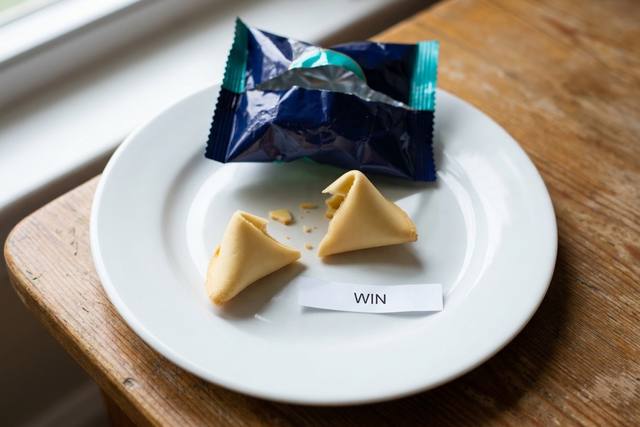
You find out straight away whether you've won. The result is decided before the animation plays, and here is exactly what happens between your payment and the reveal.

Generally yes, once a physical prize is yours outright. The money goes in the gap between the advertised value, the cash alternative and what it really fetches.

You buy a ticket, a winner is drawn, a prize arrives. Here is what happens at every step, including the free entry route and what happens if it does not sell out.
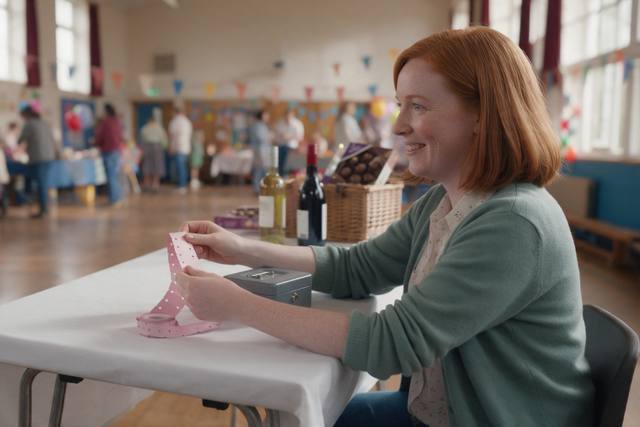
Yes. A raffle is a lottery under the Gambling Act 2005. Most small raffles are legal without a licence, but one run for profit isn't. Here's which you're running.

No. UK competition prizes aren't taxed. Interest on cash winnings, selling a prize and Universal Credit can still cost you. Here's what counts, with the limits.
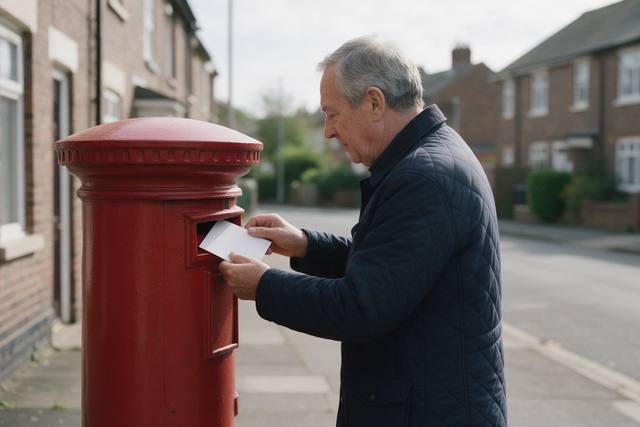
Write your name, address, phone, email and the competition you want on a postcard, and send it first or second class to the address in the terms. Here is the full procedure.

Most fake competitions give themselves away in under a minute. Here are the red flags that settle it, the ones that only warrant a second look, and what to do if you have already paid.

Every term you will meet on a UK competition site, in plain English, with each one marked for whether it has a legal meaning or is just industry jargon.