How Do UK Prize Competitions Work?
UK prize competitions work like this: you pay a small amount for an entry, the site sells a capped number of entries, and one is drawn at random to win the prize. Every UK competition also has to offer a free way in, usually by post. Here's the whole process, from the moment you click enter to the moment a prize lands on your doorstep.
By Mitch Barnes · Last reviewed 1 October 2026
Full disclosure: we run one of these sites, so this describes an industry we work in.
This covers the law in Great Britain: England, Scotland and Wales. Northern Ireland has separate gambling legislation.
What is a UK prize competition?
A prize competition sells entries into a draw for one specific prize. A car. A fishing setup, a games console, a lump of cash. The operator sets a ticket price and, on a well run site, a maximum number of tickets. When entries close, one is selected and that person wins.
The thing that separates it from a lottery is legal, not practical. A lottery is broadly a game you pay to enter where winners are picked wholly by chance, and running one without a licence is a criminal offence. Competitions stay outside that regime in one of two ways: a skill question hard enough to matter, which section 14(5) defines as one likely to stop a significant proportion of people entering or winning, or a genuine free entry route.
Most UK sites lean on the free route. It is the load-bearing part of the model, which is why it gets a section of its own and not a footnote. The legal detail sits in our guide to whether competition sites are legit, and the five formats are set side by side in what is a prize draw.
What are you actually buying?
An entry. Not a share, not a stake, not a product. Your money buys one numbered place in a draw, and the odds of that place winning depend on one thing only, which is how many other places the operator decided to sell.
That last number is the one that matters, and it is the one sites are least consistent about publishing. A competition selling 500 tickets at £2 gives every ticket a 1 in 500 chance. The same £2 ticket in a competition selling 50,000 gives you 1 in 50,000. The price tells you nothing on its own.
Most sites let you buy several entries at once, and most cap how many one person can hold. Both are worth checking before you spend, and the glossary explains the terms you'll meet on the way. Buying ten entries in a 500 ticket draw moves your odds to 1 in 50. The same ten in a draw of 50,000 moves them to 1 in 5,000. The ticket total decides what each entry is worth, which is why it is the number to find.
How does the free entry route work?
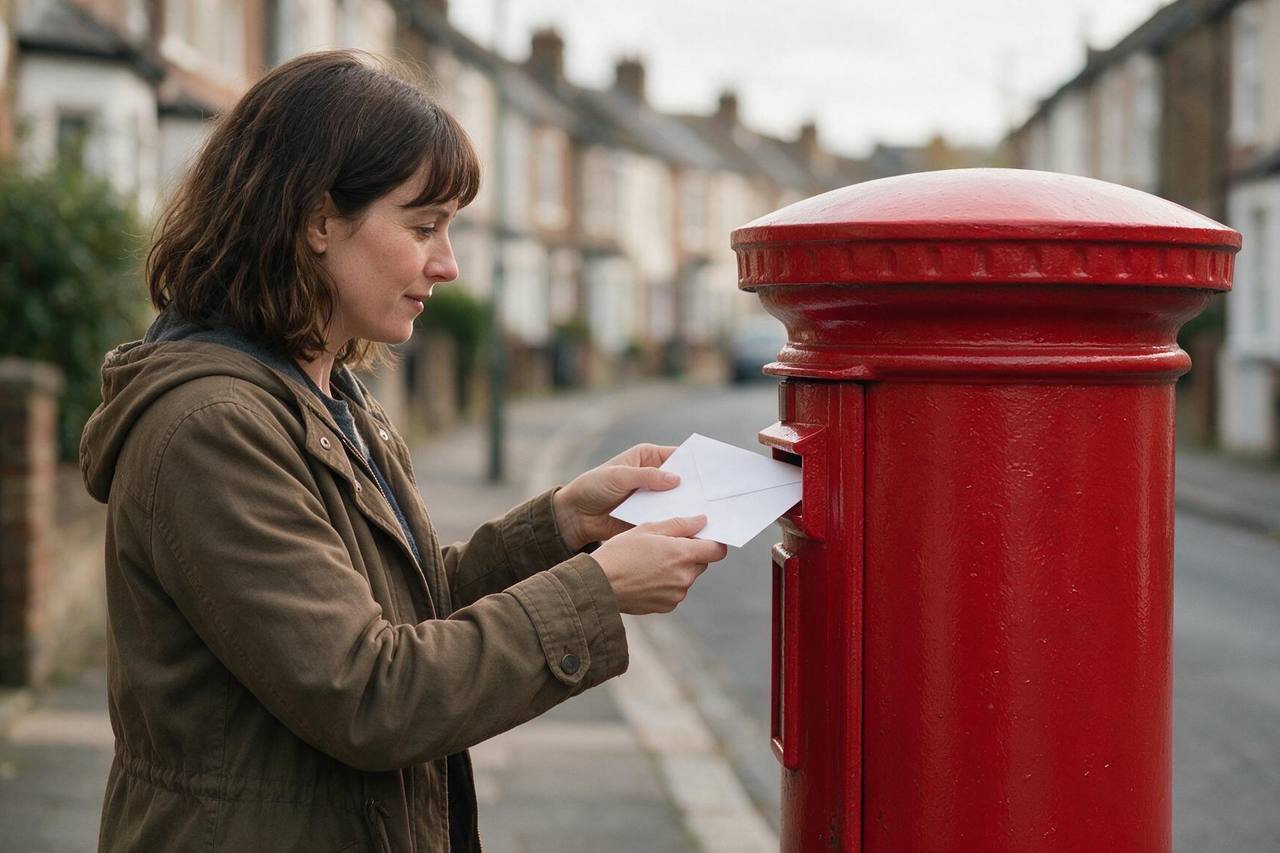
Every paid competition in the UK has to offer a way in that costs nothing beyond a stamp, and that entry carries the same chance of winning as a paid one. Usually it's a postcard. Schedule 2, paragraph 8 of the Gambling Act 2005 sets four conditions, and the one operators get wrong is publicity: a free route buried in clause fourteen of the terms arguably fails it, which drags the whole competition back into lottery territory.
Free entries are real and they do win. They're also subsidised. The paid entries fund the prize, and the model only works because most people pay instead of posting. Nobody in this industry says that out loud.
The step by step is in how to enter competitions by post, the evidence on whether they win is in do free postal entries win, and what is a prize draw sets out all four conditions.
What happens between entries closing and the draw?
Less than you might think, and that is the point.
A well run operator will publish the closing time, the draw time, and the method in advance. The gap between the two is usually hours, not days. If a site takes a week to draw, ask why.
This is the stage where a dishonest operator would interfere, so it's the stage worth the most scrutiny. Look for a draw that is recorded or streamed, a named third party tool, or a published method you can check yourself afterwards. A site that says only "randomly selected" is asking for trust it hasn't evidenced.
How is the winner picked and contacted?
The entry list is numbered and one number is drawn. The credible methods are a recorded live draw, a third party random number service, or a published verification method anyone can check after the fact.
The winner is then contacted on the details attached to the entry. Two things trip people up. Operators set a deadline to respond, and it's shorter than people assume: of five UK operators' terms read in September 2026, three forfeit the prize after 5 days and one allows 14. And a genuine operator never asks you to pay anything to release a prize. A fee, a delivery charge or a "tax payment" before a prize is sent is the clearest scam signal in this industry.
Who pays for delivery, and can you take cash instead?
Delivery is normally the operator's cost for physical prizes, though the terms settle it. Cars and furniture usually mean collection or a delivery window instead of a courier.
Many competitions offer a cash alternative, and it is normally lower than the retail value of the prize, because retail and resale are different markets. Both figures are worth checking before you enter.
What arrives and when is in what happens when you win. The tax position, simpler than most people expect, is in are competition winnings taxed.
What happens if a competition does not sell out?
This is the question that separates operators. Most people never think to ask it.
There are three common answers. The draw goes ahead on the published date regardless, so your odds are better than advertised. The closing date is extended until more tickets sell, so your odds quietly get worse after you've paid. Or the competition is cancelled and entries refunded.
All three are legal. Only the first is unambiguously good for you. Operators who signed the government's voluntary code, implemented by 20 May 2026, undertake not to extend a closing date to shift more tickets. The terms will say which one applies, and if they don't say clearly, that silence is itself the answer.
How NetCompetitions handles this
The maximum ticket count is shown on every competition before you enter, so the odds are a number you can read, not a claim we make. The free postal route is linked from every competition page and goes into the same draw with the same weighting. Every draw goes ahead whether or not every ticket sells, and closing dates aren't extended to sell more tickets.
You can read how it works in full.
The bottom line
The mechanics are simpler than the marketing suggests: you buy a numbered place in a draw, and the only number that decides your odds is how many places exist. Sites that publish that number and draw on the date they promised are running the model honestly. Sites that hide the total, extend the closing date, or take a fortnight to draw aren't necessarily crooked. But they're making it harder for you to check, and that's a choice they made, not an accident.
Frequently asked questions
How do online prize competitions work in the UK?
You buy one or more entries into a draw for a specific prize, at a set ticket price. When entries close, one entry is selected at random and wins. Every paid competition must also offer a free entry route, normally by post, that carries the same chance of winning.
What happens if a prize competition does not sell all its tickets?
It depends on the terms, and there are three usual answers. The draw goes ahead anyway, which improves the odds for everyone who entered. The closing date is extended so more tickets can sell, which worsens them. Or the competition is cancelled and entries are refunded. Check which applies before you enter.
How long do you have to claim a competition prize?
Most operators set a response window in their terms, and it's shorter than people assume. Of five UK operators' terms read in September 2026, three forfeit the prize if they can't reach you within 5 days of the draw, and one allows 14. If the winner doesn't respond, the terms usually allow a redraw. Check the specific competition, because nothing standardises the period across the industry.
Do you have to pay anything to receive a prize you have won?
No. A legitimate UK operator never asks for a fee, a delivery charge or a tax payment before releasing a prize. A request for money to release winnings is the most reliable sign of a scam. Report it, don't pay it.
Can you enter a UK prize competition for free?
Yes. Every paid prize competition must offer a free entry route, and that route must give the same chance of winning as a paid entry. It is normally a postcard sent by ordinary post. The site has to publicise it well enough that entrants know it exists before they pay.
How are prize competition winners actually chosen?
A random selection is made from the fixed list of entries after entries close. The credible methods are a recorded or streamed live draw, a named third party random number service, or a published verification method that anyone can check afterwards. An operator that says only "randomly selected" has not told you anything you can verify.